Yoga for Beginners Over 40: A Gentle Way to Improve Flexibility, Balance, and Wellbeing

Starting yoga after 40 can feel intimidating at first.
Many people worry:
“Am I too stiff for yoga?”
“What if I’m not flexible?”
“Is yoga still worth starting at my age?”
The truth is that yoga is not only suitable for beginners over 40—it can actually be one of the best ways to support your body and mind as you get older.
You do not need:
advanced flexibility
strength
previous experience
Yoga is not about performing difficult poses.
It’s about moving mindfully, improving body awareness, reducing stress, and helping your body feel more balanced and comfortable over time.
In this guide, we’ll explore why yoga is especially beneficial after 40, what beginners should expect, and how to start safely and comfortably.
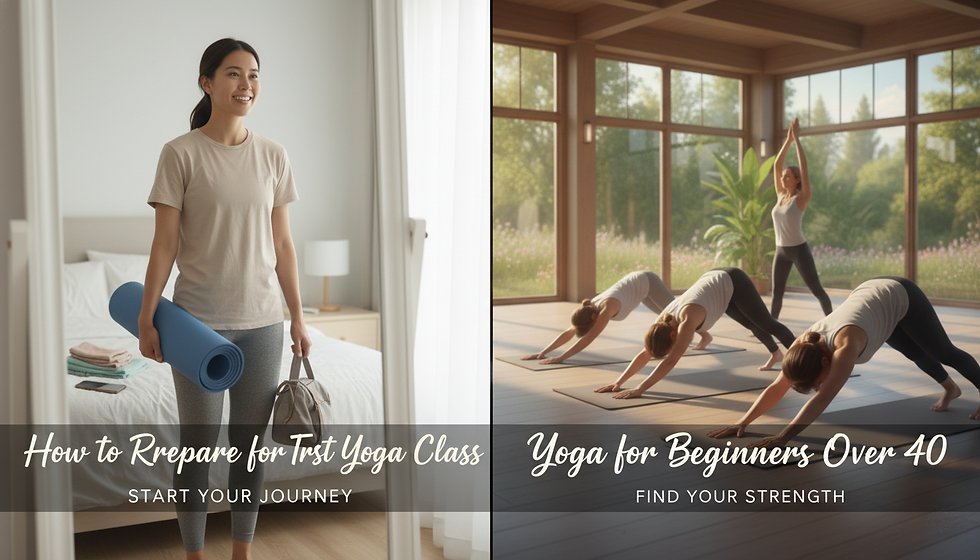
Why More People Over 40 Are Starting Yoga
As people get older, they often begin noticing:
stiffness
tension
lower energy
stress accumulation
reduced mobility
Long hours sitting, work stress, and daily responsibilities can gradually affect how the body feels.
Many people over 40 are not looking for intense workouts anymore.
Instead, they want:
movement that feels sustainable
stress relief
improved flexibility
better balance and posture
Yoga naturally supports these goals.
You Do NOT Need to Be Flexible to Start
This is one of the biggest myths about yoga.
Many beginners think yoga is only for people who are already flexible.
But flexibility is something that develops gradually through practice.
You are not expected to:
touch your toes
perform advanced poses
move perfectly
Yoga is about meeting your body where it currently is.
Why Gentle Yoga Works Well After 40
After 40, the body often responds better to:
slower movement
controlled stretching
mindful exercise
High-impact workouts may feel:
harder on the joints
more exhausting
more difficult to recover from
Gentle yoga focuses on:
mobility
breathing
relaxation
body awareness
without unnecessary strain.
Benefits of Yoga for Beginners Over 40
1. Improves Flexibility
One of the first things many people notice is reduced stiffness.
Yoga gently stretches areas like:
hips
shoulders
hamstrings
lower back
Over time, movement often feels easier and more comfortable.
2. Supports Better Posture
Many people spend years:
sitting at desks
looking at screens
carrying stress in the shoulders and neck
Yoga improves awareness of posture and body alignment.
This may help reduce:
neck tension
upper back discomfort
tight shoulders
3. Helps Reduce Stress
Stress affects both the body and mind.
Yoga helps calm the nervous system through:
slower breathing
mindful movement
relaxation techniques
This often leaves people feeling calmer after class.
4. Improves Balance and Stability
Balance naturally becomes more important as we age.
Yoga helps improve:
coordination
stability
body control
through slow and controlled movement.
5. Encourages Better Breathing
Many people breathe shallowly without realizing it.
Yoga helps improve breathing awareness, which may support:
relaxation
focus
stress reduction
What Type of Yoga Is Best for Beginners Over 40?
Not all yoga classes are the same.
For beginners over 40, gentler styles are usually best.
Gentle Yoga
Focuses on:
slow movement
stretching
relaxation
Ideal for:
beginners
stress relief
improving mobility safely
Restorative Yoga
Very calming and relaxation-focused.
Often includes:
supported poses
deep breathing
long periods of stillness
Yin Yoga
Uses slower stretches held for longer periods.
Helps release stiffness gradually.
Beginner-Friendly Classes Matter
The environment of the class is extremely important.
A supportive and calm atmosphere helps beginners feel more comfortable.
At ****, beginner-friendly sessions focus on gentle movement and relaxation rather than pressure or performance.
What to Expect During Your First Yoga Class
If you’ve never attended yoga before, it’s completely normal to feel nervous.
A beginner class usually includes:
breathing exercises
gentle stretches
guided poses
relaxation at the end
You are always allowed to:
move at your own pace
rest when needed
modify movements
There is no expectation to be perfect.
Common Concerns Beginners Over 40 Have
“What if I’m too stiff?”
That’s exactly why many people begin yoga.
You do not need flexibility before starting.
“What if I can’t keep up?”
Good beginner classes are designed to feel supportive and accessible.
You can always:
slow down
take breaks
adjust movements
“What if I’ve never exercised much?”
Yoga can actually be a great starting point because it is gentle and adaptable.
Yoga Helps More Than Just the Body
Many people continue yoga not because of physical fitness, but because of how it affects mental wellbeing.
Regular practice may help:
reduce overthinking
improve sleep
create mental calmness
support emotional balance
Combining Yoga with Other Wellness Practices
Many people over 40 enjoy combining yoga with other gentle wellness activities.
Sound Healing for Deep Relaxation
If stress and mental overload feel difficult to manage, sound healing may help.
**** support nervous system relaxation through calming sound and vibration.
Qigong for Gentle Movement
Qigong combines:
breathing
slow movement
mindfulness
It’s another excellent low-impact wellness practice.
You can explore **** for additional balance and relaxation.
How Often Should Beginners Practice?
You do not need daily yoga sessions.
A good starting point is:
1–3 classes per week
Consistency matters more than intensity.
Even small amounts of regular movement can make a noticeable difference.
Why Starting Later Is Completely Okay
Many people assume it’s “too late” to start yoga after 40.
But yoga is not about age.
It’s about creating a healthier relationship with your body and mind.
In many ways, people over 40 often benefit more because they appreciate:
slowing down
mindful movement
stress relief
on a deeper level.
Why Wellness Becomes More Important with Age
As people get older, they often become more aware of:
stress levels
body tension
the importance of recovery and balance
Yoga supports wellness in a sustainable and gentle way.
This is why more adults in Richmond are exploring yoga as part of a healthier lifestyle.
Final Thoughts
Starting yoga after 40 is not about becoming extremely flexible or mastering difficult poses.
It’s about:
moving more comfortably
reducing tension
improving balance
supporting your mental wellbeing
You do not need experience to begin.
You simply need a willingness to slow down and reconnect with your body.
And often, that first gentle class becomes the beginning of feeling better in ways you didn’t expect.


